If you’re looking to sell a Rolex in Coral Gables, start by getting a clear estimate from a reputable watch buyer or dealer before you commit. Ask whether the evaluation is free and carries no obligation, how the offer is calculated, and whether you can take the watch home if you decide not to sell. A little preparation can help you compare offers and avoid accepting a rushed price.
There may also be a practical reason to turn a watch into cash: after a hurricane, an insurance deductible or urgent repair bill can create a gap between what you have available and what you need to pay. That doesn’t mean selling your Rolex is automatically the right choice. But understanding its potential resale value, along with other funding options, can help you make a more informed decision when time is tight.
Where to start in Coral Gables
For a local search, terms such as Diamond Banc Coral Gables or sell Rolex Miami can help you find businesses that handle luxury watches or collateral loans in the area. Diamond Banc is one name to research when comparing watch-buying and loan options. Before making a trip, contact the business directly to confirm its current services, whether it evaluates Rolex watches, appointment requirements, and whether the evaluation is genuinely free and no obligation.
Not every business that advertises luxury goods rolex value after hurricane is a watch specialist. Some jewelers buy watches, some dealers focus on particular brands, and some lenders offer a loan secured by the watch rather than buying it outright. Confirm which service you’re being offered. A purchase means ownership transfers to the buyer; a collateral loan means you borrow against the watch and must repay according to the loan terms to get it back.
Questions to ask before you book
- Is the evaluation free, and am I under any obligation to sell or borrow? Do you buy my specific Rolex model and reference number? Will you explain how condition, accessories, service history, and market demand affect the offer? If this is a loan, what are the interest rate, fees, repayment deadline, and consequences of default? How and when would I receive payment if I accept a purchase offer? Can I decline the offer and leave with my watch?
Use the same questions with more than one business. Comparing a written offer with another independent estimate can make it easier to recognize whether a quote is competitive. A free evaluation is useful as a starting point, but it is not a promise that you will receive a particular amount.
How a Rolex evaluation works
A buyer typically considers the watch’s exact model and reference, age, condition, originality, and current demand. The dial, bezel, bracelet, movement, and case condition all matter. A service record and original box or papers may help establish provenance and completeness, though their effect on an offer varies by watch. Aftermarket parts, polishing, damage, or missing components may affect value.
Before your appointment, gather whatever documentation you have: service receipts, warranty cards, purchase records, and the box or extra links if available. Don’t attempt a home repair or polish the watch to improve its appearance. That can cause damage or alter original surfaces. If the watch is valuable, ask how it will be inspected and handled, and use a secure method to transport it.
Online pricing tools can add context. WatchCharts tracks secondary-market pricing and can help you see broad market trends or compare asking prices for similar watches. It is a research tool, not an in-person appraisal and not a guaranteed sale price. Listings may reflect asking prices rather than completed transactions, and condition, location, fees, and how quickly you need to sell can all change the amount a buyer is willing to offer.
Use a tracker to prepare questions, not to demand that a local buyer match a single online number. A buyer may account for authentication, inventory risk, servicing, resale costs, and the time needed to find an end buyer. Those costs can make a dealer’s offer lower than a retail listing. The relevant comparison is the net amount you can actually receive, on a timeline that works for you.
Why hurricane deductibles can create a cash gap
In Florida, hurricane deductibles are usually percentage-based rather than a simple flat amount. The percentage generally applies to the home’s insured dwelling limit, not the amount of damage. Your declarations page and policy wording are the best sources for the deductible that applies to your home and claim. Policies differ, and separate deductibles may apply to other types of loss.
Common hurricane deductible options include 2%, 5%, and 10%. The example below shows why the percentage matters. It is for illustration only; it is not a statement about any particular homeowner’s policy or claim.
Dwelling coverage limit 2% deductible 5% deductible 10% deductible $400,000 $8,000 $20,000 $40,000 $600,000 $12,000 $30,000 $60,000For example, a homeowner with a $600,000 dwelling limit and a 5% hurricane deductible would face a $30,000 deductible under this simplified calculation. If the covered repair bill is substantial, the homeowner may need to pay that amount before insurance contributes, subject to the policy’s terms and the claim’s coverage determination. The exact amount owed and timing of payment depend on the policy, the damage, and the claim process.
That deductible math can create a five-figure cash gap even for a family with insurance. The gap may be especially difficult if emergency lodging, temporary repairs, debris removal, or other household bills arrive at the same time. Keep receipts, document damage, https://bizzmarkblog.com/whats-the-biggest-mistake-people-make-with-hurricane-deductibles-in-miami/ and communicate with your insurer and contractor. If you’re unsure how the deductible is being applied, ask your insurer or a qualified insurance professional to explain the policy language.
Why post-storm cash can be hard to access
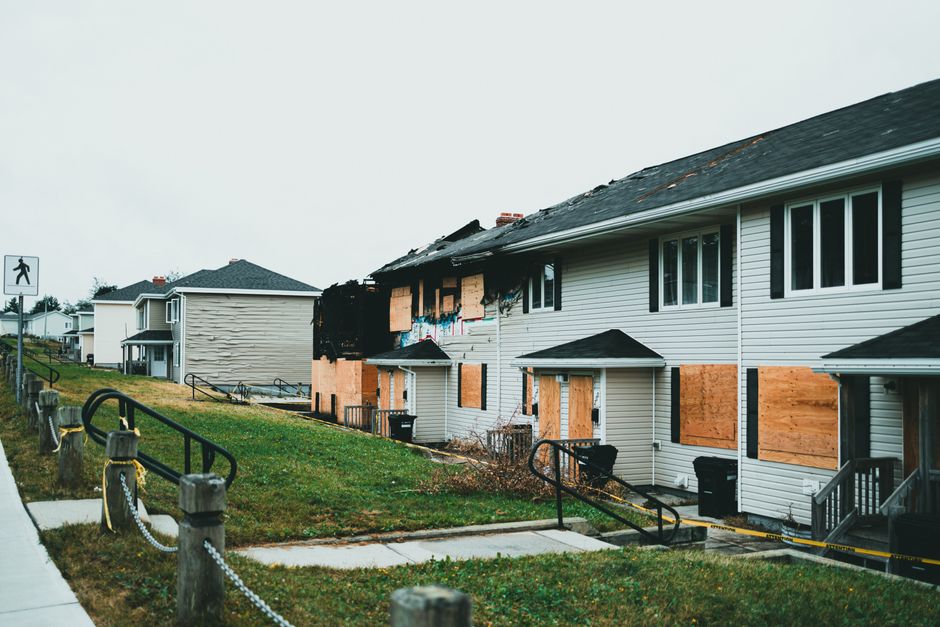
After a major storm, many households need money at once. Contractors may require deposits or staged payments, materials can become more expensive or harder to source, and repair schedules may stretch out. Banks and other lenders may also face a surge in requests and tighter underwriting. Local services can be disrupted, and it may take time for insurers to inspect damage and process claims.
HELOCs and new credit can be slow or paused after disasters. A lender may need to reassess a damaged property, verify its value, review income and credit, or respond to changed lending conditions. A home equity line that looks like a straightforward option in ordinary times may not provide cash on the schedule you need after a storm. Don’t assume an application will be approved or funded quickly.
This is where a watch’s potential liquidity may enter the conversation. Selling can provide a lump sum without waiting for a new credit line, but it is irreversible: once you sell, the watch is gone. A collateral loan keeps the possibility of getting the watch back, but it creates a repayment obligation and risks losing the watch if you fail to meet the loan terms. Compare the total cost and timeline of each route rather than looking only at the amount offered today.

Sale or collateral loan?
Option What happens to the watch? What to compare Sell outright Ownership transfers to the buyer. Net payment, timing, offer validity, and whether the evaluation is no obligation. Collateral loan The watch is held as security for the loan. Interest, fees, repayment schedule, storage and insurance terms, and default consequences.A collateral loan is not free cash. Read the agreement carefully, including the amount you must repay to retrieve the watch and what happens if you miss a payment or the final due date. Ask whether interest accrues daily or monthly, whether extensions are available, and whether there are storage, valuation, or other fees.
How to compare offers responsibly
Identify the watch. Note the model, reference number, serial information where appropriate, and what accessories or paperwork you have. Avoid posting sensitive identifying details publicly. Check market context. Use secondary market pricing trackers such as WatchCharts to understand general trends, while remembering that tracker data is not a guaranteed offer. Get more than one evaluation. Ask each business to separate a purchase offer from any loan offer and to explain the major factors behind its figure. Compare the net result. For a sale, focus on the amount you will receive and when. For a loan, calculate the full repayment amount and what happens if you cannot repay on time. Review the paperwork. Read the contract or receipt before handing over the watch. Make sure the transaction matches what the representative explained.If you work with a financial advisor, you can also discuss how a one-time sale or short-term borrowing might fit into your broader finances. Morgan Stanley, for example, is a financial-services firm—not a substitute for a watch buyer’s evaluation. An advisor may be able to help you consider liquidity choices and longer-term consequences, but confirm the scope of any advice and remember that the right decision depends on your own circumstances.
What a free, no-obligation evaluation should mean
A trustworthy evaluation should give you room to ask questions and decide. “Free evaluation no obligation” should mean you can learn what the business is willing to offer without being charged for the estimate or pressured to accept. Confirm the terms in advance, especially if the watch must be shipped or left for inspection. Ask about security, insurance, tracking, and what happens if you decline the offer.
Be cautious of pressure to sign immediately, vague explanations of fees, or a price that changes without a clear reason. For a private sale, consider the risks of payment fraud, counterfeit funds, personal safety, and disputes over condition. A professional buyer may offer convenience and a more controlled transaction, while a private listing could involve more work and uncertainty. There is no single best route for every seller.
Make the decision before urgency takes over
If you own a Rolex in Coral Gables and are considering selling, begin with a no-obligation evaluation and compare it with current secondary-market information. Confirm whether a local business offers an outright purchase, a collateral loan, or both. Diamond Banc is one company you can research, but verify its current location, services, and terms directly before visiting. Use WatchCharts as a market reference, not a promise of value, and consider speaking with a qualified financial professional if the decision affects your broader plan.
Most importantly, don’t wait until a storm forces a hurried decision. Review your insurance declarations page, calculate what a percentage-based deductible could mean in dollars, and think through accessible cash sources before hurricane season. If a post-storm cash need arises, compare the cost and timing of all available options. A Rolex can be a source of liquidity, but the best choice is the one that meets the immediate need without creating a larger financial problem later.